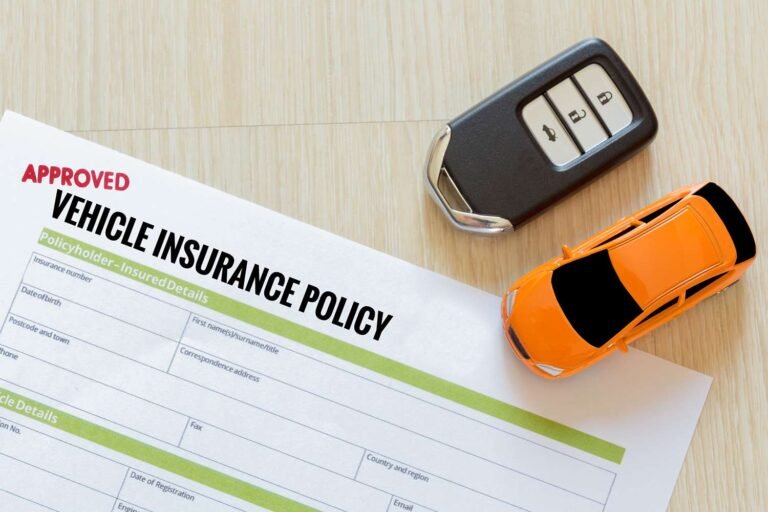
Auto insurance is an essential part of responsible vehicle ownership, but that does not mean drivers should pay more than necessary for coverage. Many people assume that insurance premiums are fixed and that there is little they can do to influence the amount they pay. In reality, insurance costs are affected by numerous factors, many of which can be managed through informed decisions and proactive planning.
The challenge for most drivers is finding the balance between affordability and protection. Reducing premiums by eliminating important coverage can create serious financial risks, while paying excessively high rates can place unnecessary strain on a household budget. The good news is that there are several effective strategies that can help lower insurance costs without compromising the protection that drivers and families need.

Understanding how insurance companies calculate premiums and what actions can positively influence those calculations is the first step toward long-term savings.
Understand What Influences Your Premium
Before attempting to lower insurance costs, it is important to understand how premiums are determined. Insurance providers assess risk when calculating rates. Drivers who are statistically more likely to file claims generally pay higher premiums, while lower-risk drivers often qualify for more favorable pricing.
Several factors commonly influence insurance costs, including driving history, location, vehicle type, annual mileage, claims history, age, and coverage selections. While some factors cannot be changed, many others can be improved over time.
Understanding these influences allows drivers to focus on the areas where adjustments can produce meaningful savings.
Compare Quotes Regularly
One of the simplest yet most effective ways to reduce insurance expenses is to compare quotes from multiple providers on a regular basis.
Insurance companies use different underwriting methods and risk models. As a result, the same driver may receive significantly different quotes from various insurers despite requesting identical coverage.
Many drivers remain with the same company for years without reviewing alternative options. While loyalty can sometimes lead to benefits, it does not always guarantee the most competitive pricing.
Obtaining quotes from several providers every year or two can help identify better rates and uncover opportunities for additional discounts. Even if you ultimately remain with your current insurer, comparison shopping provides valuable information that can support future negotiations.
Maintain a Clean Driving Record
Safe driving remains one of the most important factors affecting insurance premiums.
Drivers with accident-free records and minimal traffic violations are generally viewed as lower-risk customers. Insurance companies reward this reduced risk through lower premiums and access to preferred pricing programs.
Avoiding speeding tickets, reckless driving citations, distracted driving incidents, and at-fault accidents can have a substantial impact on long-term insurance costs.
Safe driving not only reduces the likelihood of claims but also demonstrates responsibility and consistency to insurers. Over time, maintaining a clean driving record can lead to some of the most significant savings available.
Consider a Higher Deductible
A deductible is the amount a policyholder pays before insurance coverage contributes toward a covered claim.
Choosing a higher deductible often results in lower monthly or annual premiums because the policyholder assumes a greater share of the initial financial responsibility.
For example, increasing a deductible from $500 to $1,000 may generate noticeable premium reductions depending on the insurer and policy structure.
However, drivers should only select a deductible they can comfortably afford in the event of an accident. The goal is to achieve savings without creating financial stress during a claim situation.
A carefully chosen deductible can be an effective tool for reducing insurance costs while preserving valuable coverage.
Choose Your Vehicle Wisely
Many drivers focus primarily on purchase price, fuel economy, and appearance when selecting a vehicle. Insurance costs, however, should also be part of the decision-making process.
Some vehicles cost significantly more to insure than others. Factors that influence insurance rates include repair costs, theft rates, safety performance, replacement values, and historical claims data.
Vehicles equipped with advanced safety features and strong crash-test ratings often receive more favorable insurance treatment. In contrast, high-performance sports cars and luxury models frequently carry higher premiums due to increased repair costs and elevated risk profiles.
Before purchasing a vehicle, obtaining insurance estimates for several models can help prevent unexpected expenses and support more informed decisions.
Take Advantage of Available Discounts
Many policyholders overlook valuable discounts simply because they never ask about them.
Insurance companies commonly offer savings opportunities for:
- Safe drivers
- Good students
- Multi-vehicle households
- Homeowners
- Military members
- Low-mileage drivers
- Defensive driving course graduates
- Long-term customers
Each insurer offers different programs, making it important to review available discounts during the quoting process.
Even small discounts can add up over time and contribute to meaningful long-term savings.
Bundle Multiple Policies
Bundling insurance products with a single provider is another popular strategy for reducing overall costs.
Many insurers offer discounts to customers who purchase multiple policies, such as:
- Auto insurance
- Homeowners insurance
- Renters insurance
- Condominium insurance
- Life insurance
In addition to potential savings, bundling can simplify policy management and billing by consolidating coverage under one provider.
Drivers should still compare bundled pricing against separate policies to ensure they are receiving genuine value rather than simply consolidating services.
Reduce Annual Mileage
The more time a vehicle spends on the road, the greater the likelihood of being involved in an accident.
For this reason, annual mileage often plays a role in premium calculations. Drivers who travel fewer miles may qualify for lower insurance rates due to reduced exposure to risk.
Several lifestyle changes can help reduce mileage, including:
- Working remotely
- Carpooling
- Using public transportation
- Combining errands into fewer trips
Many insurers offer low-mileage discounts, making it worthwhile to provide accurate mileage information when obtaining quotes.
Reduced driving not only lowers insurance costs but can also contribute to savings on fuel, maintenance, and vehicle depreciation.
Improve Your Credit Profile
In many regions, insurers use credit-based insurance scores as part of their underwriting process.
Although credit scores do not directly measure driving ability, insurers often view strong financial management as an indicator of overall responsibility.
Drivers with positive credit histories frequently receive more favorable insurance rates than those with poor credit profiles.
Improving credit may involve:
- Making payments on time
- Reducing outstanding debt
- Maintaining low credit utilization
- Monitoring credit reports regularly
Over time, stronger financial habits can contribute to lower insurance premiums and broader financial benefits.
Review Coverage Periodically
Insurance needs evolve throughout life.
A policy that was appropriate several years ago may no longer align with your current circumstances. Regular reviews help ensure that coverage remains relevant and cost-effective.
Factors that may warrant a policy review include:
- Vehicle replacement
- Relocation
- Marriage
- Family changes
- Career changes
- Improved financial circumstances
Updating coverage to reflect current needs can help eliminate unnecessary expenses while maintaining adequate protection.
Drivers should evaluate policies at least once per year to identify opportunities for savings and improvements.
Avoid Unnecessary Claims
Insurance exists to protect against significant financial losses, but filing numerous small claims can sometimes contribute to higher future premiums.
When damage is minor and repair costs are only slightly above the deductible, some drivers choose to pay out of pocket rather than submit a claim.
This approach is not appropriate in every situation, but understanding the potential long-term impact of claims history can help drivers make informed decisions.
Maintaining a lower frequency of claims may support more favorable pricing over time.
Focus on Long-Term Savings
Many insurance-saving strategies deliver the greatest benefits gradually rather than immediately.
Building a clean driving record, maintaining continuous coverage, improving credit, and establishing a positive insurance history all contribute to lower risk profiles over time.
Drivers who consistently demonstrate responsibility often gain access to better rates, additional discounts, and preferred customer programs.
Patience and consistency are often key components of long-term insurance savings.
Conclusion
Reducing auto insurance costs does not require sacrificing valuable protection. By understanding how insurers evaluate risk and taking deliberate steps to improve your profile, it is possible to achieve meaningful savings while maintaining comprehensive coverage.
Comparing quotes regularly, practicing safe driving habits, selecting appropriate deductibles, taking advantage of discounts, reducing mileage, improving credit, and reviewing policies periodically can all contribute to lower premiums. These strategies help drivers balance affordability with financial security.
The most effective approach is not simply finding the cheapest policy but creating a smart insurance plan that delivers both protection and value. When managed carefully, auto insurance can provide peace of mind while remaining a manageable part of your overall financial strategy.